


Squirrel bridges at Glenfarg
To help protect the local red squirrel population near Glenfarg Water Treatment Works, a rope bridge will be installed across the site’s access road. This follows concerns about frequent squirrel crossings and the risk of road fatalities.
Case study extracted for ESD's Quarterly Internal Newsletter
Why a Bridge?
Red squirrels have been regularly spotted crossing the road near cottages east of the WTW, moving between garden feeders and nearby woodland. This area was identified as high-risk during walkovers by the project team and the Eastern Lowlands Red Squirrel Group. Although evidence on the effectiveness of rope bridges is mixed, this bridge will complement other safety measures already in place, including:
• A strict speed limit
• Speed bumps
• A gatehouse near the crossing point
• Toolbox talks for all operatives
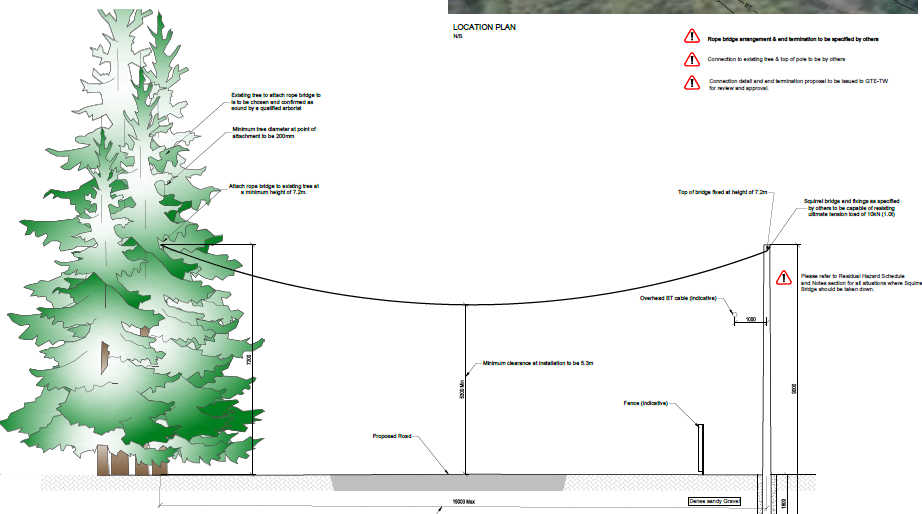
Draft plan for the Squirrel Bridge
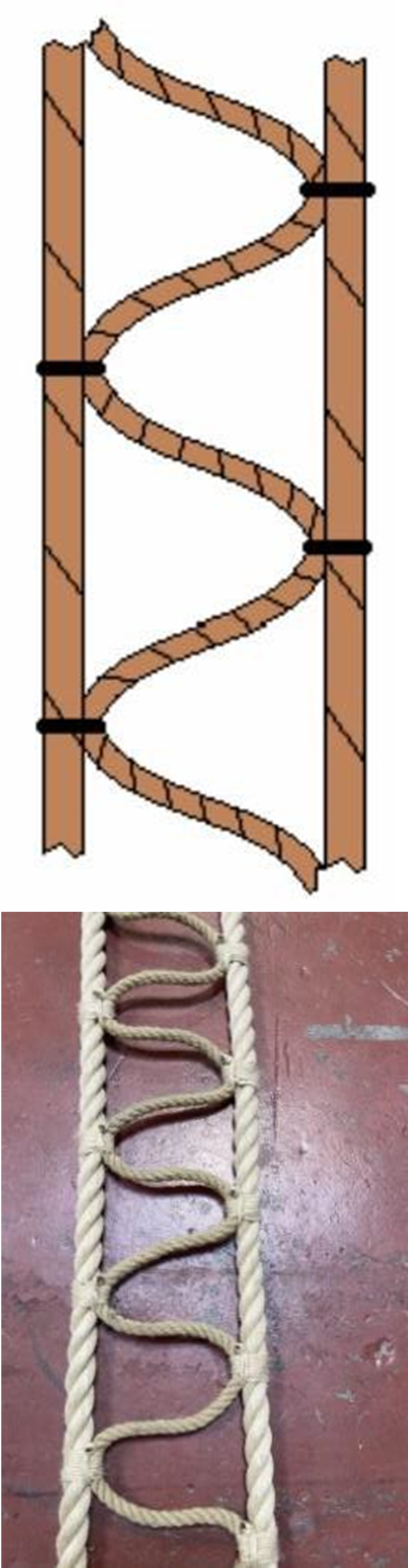
Where and How?
Three potential crossing points were assessed, but the team agreed to install one bridge at the most active location. The other two sites will be monitored with motion-sensor cameras to assess future need. The bridge will span approximately 22 metres and be made from synthetic rope for durability and minimal sag. It will be suspended between a tall conifer and a specially installed post, avoiding tree root protection areas. Installation will be carried out by tree surgeons, with expert support from the Eastern Lowlands Red Squirrel Group.
Encouraging Use
To help squirrels find and use the bridge, feeders will be placed on both sides and gradually raised to bridge height using a pulley system. A designated “squirrel champion” based at the gatehouse will be responsible for maintaining the feeders and checking camera equipment.
Monitoring and Maintenance
The bridge and surrounding area will be monitored using motion-activated cameras to track squirrel activity. Additional cameras will be placed at the two other potential crossing points. Scottish Water has committed to maintaining the bridge for the duration of the project.
Next Steps
• Install cameras and monitoring equipment
• Procure and install the bridge and feeders
• Train the gatehouse operative as the site’s “squirrel champion”
• Begin monitoring and data collection
This initiative reflects a proactive approach to biodiversity and wildlife protection, balancing operational needs with environmental responsibility.